
But there’s still a lot of misinformation about alcohol and alcohol use disorder. For the same reasons why you shouldn’t mix alcohol with caffeine, this energy-drink combo can also cause masked intoxication — which can lead to consumption of more alcohol than your body can handle. It can also cause increased dehydration, sleep disruption and even heart issues. Depending on how bad their alcohol abuse has been or if medically-assisted alcohol detox will be needed for withdrawal symptoms, entering into a treatment center may be a necessary option. Professional medical staff can assist in the difficult process of withdrawal, making the transition into sobriety less daunting.
Alcoholism Can Affect Anyone
If you or a loved one is experiencing any of these symptoms or you’re worried they may have an alcohol problem, Addiction Intervention is here to help. Whether you need help staging an intervention, finding family support services, or locating a rehab center near you, our dedicated addiction specialists are standing by to take your call. In 1984, the FDA approved naltrexone, now also in a long-acting injectable form, for OUD and AUD, reinforcing the idea addictions are related. While progress has been slower against cocaine and methamphetamine, clinicians have learned Twelve-step program to deemphasize withdrawal distress and focus on dopamine and pathological attraction.
Long-Term Drinking Changes the Brain
- Sorting fact from fiction is crucial for making smart decisions about drinking.
- “Alcohol is also inflammatory and increases your risk of cancer and other diseases,” he says.
- Dispelling myths such as “you must hit rock bottom” underscores that early intervention improves outcomes.
In fact, alcoholics have great willpower, as they are often able to hold down jobs and get through a normal day while being hungover. A different sickness could easily keep a person home from work. Punishment is seen as a stronger way of treating alcoholism, down to misconceptions. Society believes that punishment will motivate users to recover. However, this will in fact push most alcoholics to the other end of the spectrum. Through this fear, many users will delay their attempt of addiction recovery, in turn, fuelling an even greater addiction.
One nontraditional form of treatment for alcohol use disorder is moderation management. This approach involves limiting alcohol consumption, specifically for people who aren’t physically dependent on alcohol. But while women may reach the “drunk driving” limit — 0.08 percent blood alcohol — sooner, alcohol can impair driving at much lower blood alcohol levels. So “don’t drink and drive” remains sound advice for everyone. While it may feel like coffee is bringing you back to life in many ways, you shouldn’t depend on it to get alcohol out of your system.
MYTH: Drinking underage is a rite of passage for every teen.
- These were used alongside a systematic literature review of studies exploring public attitudes towards AUD to form a list of myth-fact pairs.
- The alcohol consumed will still be processed by the body and can still lead to impairment; the onset of intoxication is simply delayed.
- And while each may stem from a kernel of truth (or at least logic), they’re not exactly rules to live by.
- Alcohol shouldn’t be consumed before sleep, even if in the moment it feels like it’s helping.
Experts re-scored all myth-fact pairs in Round 3 since none had received a low importance score in Round 2. Of Round 2’s nine high importance myth-fact pairs, four (‘Cannot recover’; ‘Only affects certain groups’; ‘To blame’; ‘Able to control’) retained a high importance score, which overall increased in Round 3. Two (‘Bad character’, ‘Weak character’) remained high but slightly decreased; and three (‘Easy to identify’; ‘Can’t lead useful lives’; and ‘Drink all the time’) decreased to moderate. Dispelling myths such as “you must hit rock bottom” underscores that early intervention improves outcomes.
Below are some common myths about alcohol and health, along with the truths behind them. The above alcoholism myths, along with many more do regulate the outlooks of society on alcoholism. It is however important that a change is made, helping to support those in need of alcohol addiction treatment.

Sometimes it’s not even about how much you drink… because some individuals can be more vulnerable to addiction due to genetic factors. Trust me when I say that even moderate drinking can easily turn into a stubborn dependency. The typical solution to sober up fast is a strong cup of coffee. There is a common belief that caffeine can help you get rid of all those alcohol effects and feel more alert. Even though many of us struggle with fatigue and excess stress, alcohol is not a saving solution to feel better. It’s true, that we often look to consume alcohol, especially at parties or on holidays to enhance our energy levels, but all alcohol does is interfere with normal brain activity.
Myth: Everybody drinks.
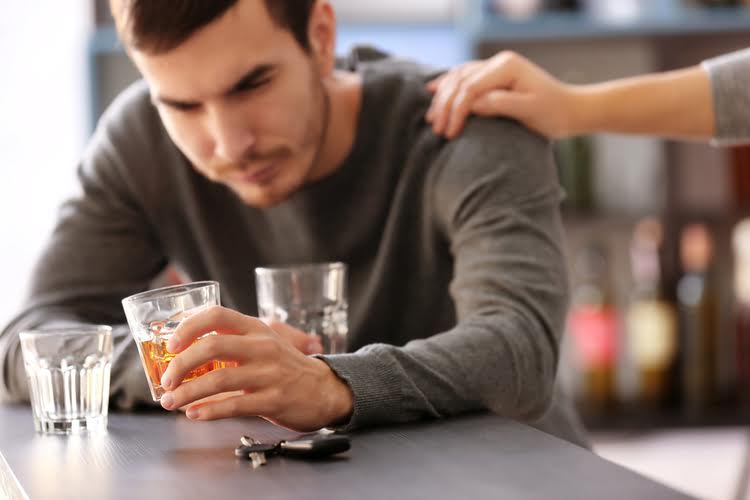
However, a review of studies published from 2013 to 2019 suggests that people with lower socioeconomic status may be more likely to die from alcohol use disorder. Research from 2017 also suggests that kids who were allowed to drink alcohol with adults were more likely to engage in risky drinking in their teens. An Australian longitudinal study conducted between 2010 and 2016 concluded that there was no evidence behind the idea that parents supplying underage children with alcohol reduces alcohol-related harms. And while it may seem harmless to live by some of these “tips,” some of these alcohol myths can put your health at risk. When it comes to alcohol, the line between fiction and fact is often blurry. Whether it’s at a party with friends or through pop culture references, there are quite a few things about drinking alcohol that get misconstrued.
Myths About Alcohol and Health: Separating Fact from Fiction
However, willpower can be a strong tool for those in recovery from substance use disorder. You may think that drinking can help alleviate pain, but evidence suggests that chronic drinking can worsen pain levels. You don’t necessarily need to be drunk for alcohol to affect your decision making abilities. And when your ability to make decisions is impaired, you’re no longer in control.
Most Beautiful Female Scientists (They Had Beauty and Brains)
Regardless of the guidelines, drinking can be problematic if it results in negative feelings, choices, or outcomes, which is highly individualistic. In general, for brain health, I recommend people drink a maximum of one serving of alcohol once or twice a month. For reference, a single “drink” is typically defined as containing about 14 grams of pure alcohol.
Specifically, some higher-ranked pairs (e.g. ‘To blame’) may be supplemented by lower-ranked ones (e.g. ‘Weak character’), as suggested by the myths about alcoholism experts’ consideration of their thematic similarities. If you think you may have alcohol use disorder or a related problem, such as binge drinking, you’re not alone. A 2019 study of alcohol use in England found that people in professional managerial jobs had more occasions to drink than manual workers, casual workers, and unemployed people. Homeownership was also a strong predictor of alcohol consumption, according to the study.